The AI Hangover: Why Investors Are Hitting the Brakes Before the Nvidia Earnings Reveal
If you have been watching the markets this week, you might have noticed a bit of a "wait and see" vibe. There is a palpable sense of tension in the air on Wall Street. It is that classic pre-game jitters feeling, but instead of a Super Bowl or a championship final, it is all about quarterly earnings and whispers of major IPOs. The market is currently walking a tightrope, and the center of gravity seems to be resting entirely on the shoulders of one company: Nvidia.
When the biggest player in the room is about to show their hand, the rest of the market tends to hold its breath. That is exactly what we are seeing right now. Stocks have been drifting lower, and the enthusiasm that powered the tech sector for so long is taking a backseat to cautious anxiety. Let’s look at what is driving this mood and why it actually makes a lot of sense.
The Nvidia Effect: Why One Stock Can Move the Entire Market
It is no secret that Nvidia has been the heartbeat of the stock market’s recent rally. As the primary supplier of the hardware needed to build and train artificial intelligence models, they have become the proxy for the entire AI boom. When Nvidia wins, the market wins. When Nvidia looks shaky, the rest of the tech world starts sweating.
Investors are currently bracing for the company's latest earnings report. The expectations are, as usual, incredibly high. Wall Street has become so accustomed to Nvidia blowing past estimates that anything less than "spectacular" feels like a disappointment. This creates a dangerous scenario where even a solid performance might be met with a sell-off if it doesn’t meet the astronomical bar traders have set.
This isn't just about Nvidia’s bottom line. It’s about sentiment. If Nvidia signals that the demand for AI chips is cooling down—even just a little bit—it could send shockwaves through companies that have built their entire valuation on the promise of an endless AI spending spree. Investors are worried that the "easy money" phase of the AI trade might be leveling off, leading to a rotation out of tech and into other corners of the market.
The Anthropic IPO Rumors and the Next Wave of AI
Adding to the intensity is the persistent chatter surrounding a potential initial public offering (IPO) for Anthropic. If you haven't been following, Anthropic is the company behind Claude, one of the primary competitors to OpenAI’s ChatGPT. They are a massive player in the foundational model space, and a potential public offering would be a massive litmus test for how much appetite investors still have for high-growth, cash-burning AI startups.
The market is asking a very tough question right now: Is the AI sector a long-term goldmine, or is it starting to look a bit like the dot-com bubble of the late 90s? When a company like Anthropic eyes an IPO, it forces institutional investors to decide whether they want to keep pouring capital into the space. If the appetite for new AI stocks begins to wane, it could signal that we are moving out of the "irrational exuberance" phase and into a more skeptical, profit-focused era.
What Should You Watch For?
With stocks trending downward, many investors are asking if this is the start of a major correction or just a temporary hiccup. The truth is usually somewhere in the middle. Markets hate uncertainty more than they hate bad news. Right now, the uncertainty is centered on whether the massive capital expenditure (CapEx) that tech giants are spending on data centers will actually turn into sustainable, long-term revenue.
When the earnings data finally drops, watch for the "forward guidance." This is the part of the report where management tells the market what they expect to happen in the coming months. If the CEOs start talking about a slowdown in data center build-outs or if margins look tighter, you can expect a sharp reaction. On the flip side, if the outlook remains bullish, the "AI Hangover" might evaporate as quickly as it arrived.
It is also worth noting that the broader economic picture is still in play. We are in a period where interest rates, inflation data, and labor statistics are constantly being weighed against corporate profits. Tech stocks, in particular, are sensitive to interest rate expectations. If the economy looks too "hot," traders fear the Federal Reserve might keep rates higher for longer, which makes the future earnings of high-growth tech companies look less valuable in today's dollars.
The Human Element: Why Patience Matters
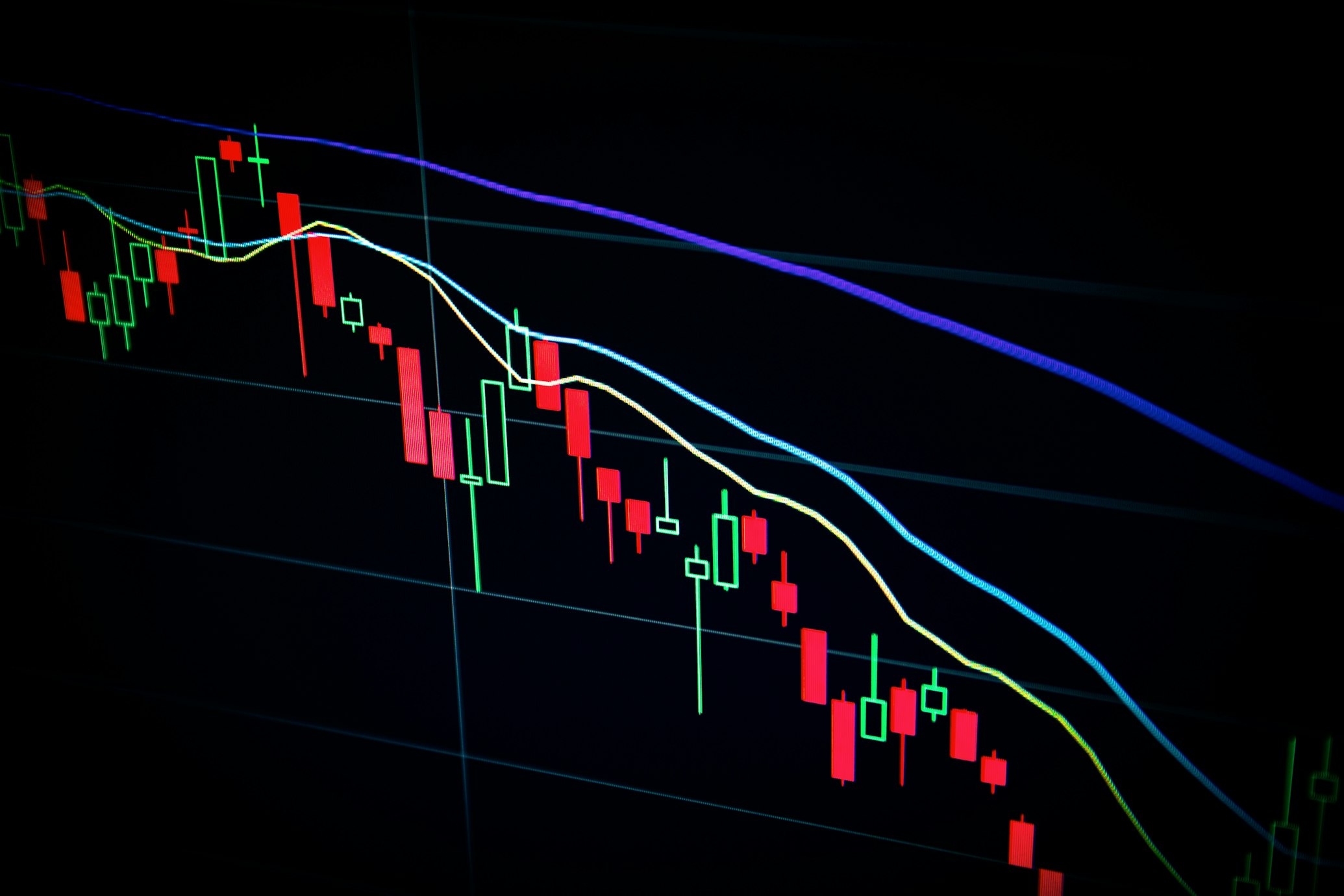
It is incredibly tempting to react to every red candle on a stock chart. We see a dip, we hear the headlines about "market slumps," and the instinct to protect our portfolios takes over. But experienced market watchers know that these moments of transition are normal. The market is constantly digesting new information, and right now, it is digesting the reality that the "AI Gold Rush" has entered a more mature, competitive phase.
Trying to time the market based on a single earnings call is a high-risk game that often leads to more stress than profit. Instead of getting caught up in the day-to-day volatility, focus on the fundamentals. Are the companies you are interested in solving real problems? Are they generating cash? Do they have a path to profitability that doesn't rely entirely on hype? These are the questions that will matter a year from now, long after the noise around this week’s earnings reports has faded.
We are witnessing a fascinating tug-of-war between the promise of revolutionary technology and the cold reality of market valuations. It is a reminder that even the most transformative tech cycles have their ups and downs. Keep your eyes on the data, ignore the sensationalist headlines, and remember that volatility is simply the price of admission to the market.
Frequently Asked Questions (FAQs)
Q: Why is Nvidia’s performance so important to the overall stock market?
A: Nvidia is the dominant player in the hardware sector that powers AI. Because their chips are essential for almost all major AI developments, their financial health is viewed as a bellwether for the entire artificial intelligence industry. If Nvidia struggles, investors fear that demand for AI technology might be slowing down.
Q: Should I sell my tech stocks before the earnings reports come out?
A: That depends entirely on your personal investment goals and risk tolerance. Selling because you are scared of short-term volatility is often a mistake for long-term investors. If you have a solid investment thesis for a company, temporary market fluctuations caused by earnings expectations shouldn't necessarily change your long-term plan.
Q: What is the significance of the Anthropic IPO rumors?
A: An Anthropic IPO would be a significant indicator of market sentiment toward AI. If the IPO goes well, it suggests that investors are still hungry for growth in the AI space. If there is little interest or the pricing is disappointing, it could signal that the broader market is becoming more cautious about AI-related valuations.
Q: How do interest rates affect tech stocks like Nvidia?
A: High-growth tech stocks are often valued based on their potential future earnings. When interest rates are high, the present value of those future earnings decreases. Additionally, high rates make borrowing more expensive, which can crimp the spending power of the companies that buy Nvidia’s hardware.
Q: Is this stock market dip the start of a major crash?
A: Market dips are a normal part of the economic cycle. While nobody can predict a crash, many analysts describe the current movement as a "rotation" or a "re-valuation" rather than a catastrophic event. Investors are currently recalibrating their expectations to align with company performance rather than just speculative growth.
Comments
Post a Comment