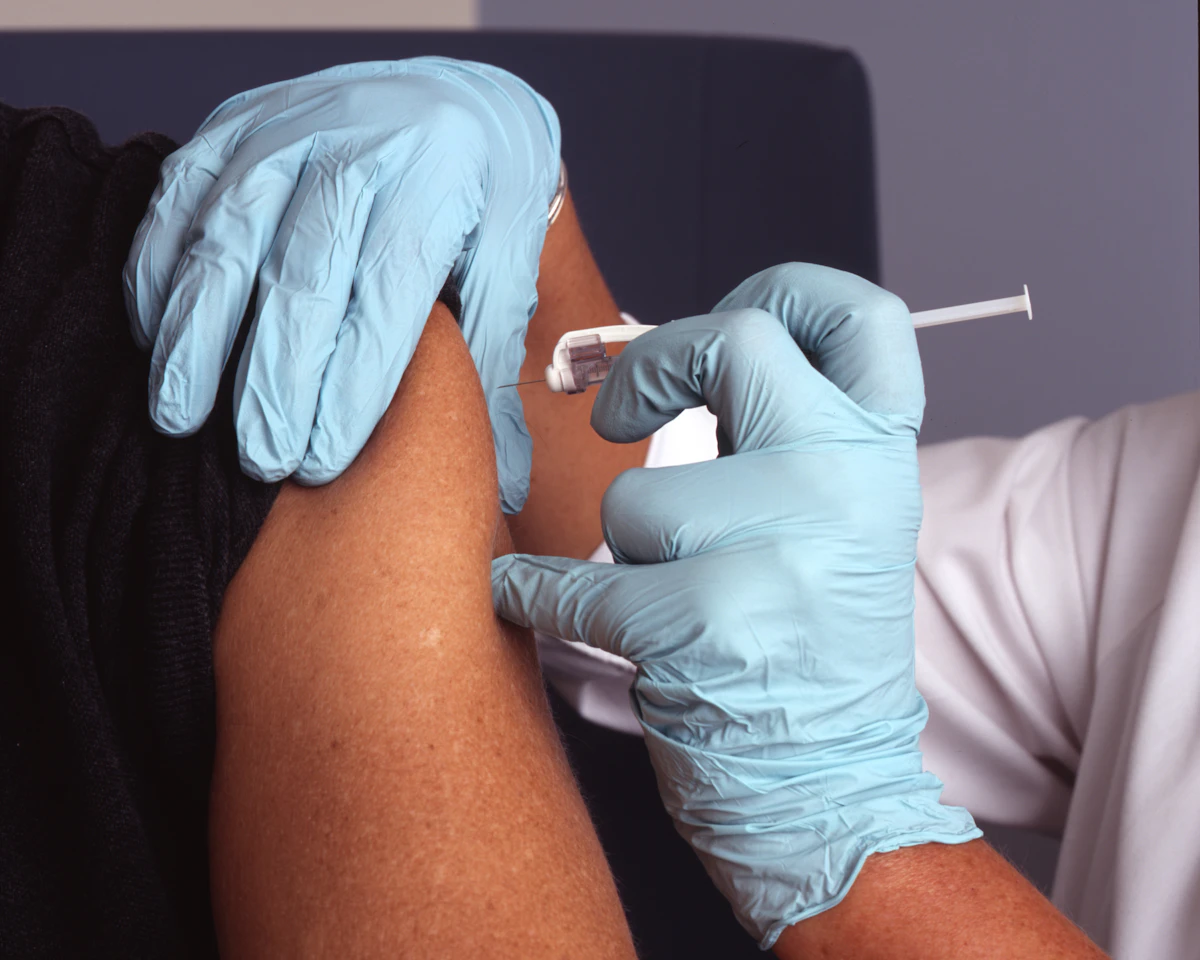
Have you ever wondered how the rules governing public health recommendations actually change? Most of the time, medical advice and vaccine schedules feel like set-in-stone laws handed down by anonymous experts behind closed doors. But things are shifting. Following a recent executive directive, federal health officials are opening up the rulebook. They want to hear directly from everyday citizens, medical professionals, and researchers about how the country shapes its vaccine guidelines.
It is a move that could shake up how federal agencies approach immunization policies. Whether you are a staunch advocate of routine shots, someone with safety concerns, or a healthcare worker in the trenches, your voice suddenly matters to Washington. Let us break down what is happening, why this call for feedback is turning heads, and what it means for the future of public health.
The Background: What Triggered the Public Call for Input?
To understand why the U.S. Department of Health and Human Services (HHS) is asking for public comments, we have to look at the bigger picture. Public health directives rarely exist in a vacuum. Recent policy shifts and executive orders from the Trump administration have put a heavy emphasis on government transparency, scientific accountability, and reviewing long-standing federal processes.
Vaccine guidelines in the United States are typically shaped by advisory panels, most notably the Advisory Committee on Immunization Practices (ACIP). These groups review safety data, efficacy trials, and epidemiological trends to recommend which shots children, adults, and travelers should receive. However, critics and policymakers have occasionally argued that these systems need more outside scrutiny, clearer public communication, and less bureaucratic insulation.
By throwing open the doors for a public feedback period, HHS is attempting to bridge the gap between institutional medicine and public trust. It is an opportunity for anyone—from seasoned epidemiologists to concerned parents—to submit formal comments regarding how these crucial health recommendations are developed, updated, and communicated.
What Kinds of Feedback Are Officials Looking For?
If you plan on submitting a comment or are just curious about what the government actually wants to hear, the scope is fairly broad. Federal agencies typically look for constructive, evidence-based insights rather than emotional rants. However, public comment periods are famous for capturing the entire spectrum of public sentiment.
Here are the primary areas where input is expected to make an impact:
- Transparency in Decision-Making: How can federal agencies make the scientific data behind vaccine approvals and recommendations easier for the general public to understand?
- Advisory Board Integrity: Are there better ways to select members for advisory committees to avoid conflicts of interest and ensure a diverse range of medical perspectives?
- Communication Strategies: How should health departments relay safety updates or changes in vaccine schedules so that communities feel informed rather than confused?
- Balancing Mandates and Personal Choice: How do federal guidelines interact with state-level mandates, and where should the line be drawn regarding individual autonomy versus collective immunity?
Agency leaders will have to sift through potentially tens of thousands of responses. While not every suggestion will turn into federal policy, the sheer volume and nature of the feedback can heavily influence how health agencies prioritize their reviews.
Why Public Feedback Matters in Public Health Policy
Skeptics might wonder if public comment portals are just a digital suggestion box that goes straight to a spam folder. While it is true that government bureaucracy moves slowly, public feedback plays a formal, legal role in federal rulemaking. Under administrative procedures, agencies are often required to review and respond to significant public comments when drafting new guidelines or changing existing protocols.
Furthermore, trust in public health institutions took a significant hit over the past few years. Disagreements over mandates, shifting timelines, and communication missteps created a deep fracture between federal agencies and parts of the American public. Giving people a formal channel to air grievances, ask tough questions, and demand clarity is a necessary step toward repairing that relationship.
When citizens feel heard, compliance and trust naturally improve. On the flip side, ignoring public skepticism only drives people toward misinformation and echo chambers. This current initiative by HHS is an admission that public health cannot succeed without public buy-in.
What Happens Next?
The feedback window will remain open for a designated period, giving individuals and organizations time to draft and submit their thoughts through official federal channels. Once the window closes, agency analysts will compile the data, categorize the responses, and publish a summary.
Will this completely rewrite America's vaccine strategy? Probably not overnight. Bureaucratic machinery moves at its own pace. Still, it signals a cultural shift within federal health agencies toward greater openness and accountability. Watch for upcoming announcements from HHS regarding how they plan to implement the insights gathered during this period.
Ultimately, health policy affects every single one of us. Whether you applaud this move as a victory for transparency or worry it might politicize medical science, one thing is certain: public health is a conversation we all have a stake in. If you have strong thoughts on how the government handles vaccine guidelines, now is your chance to put them on the record.
Frequently Asked Questions (FAQs)
1. Why is the U.S. health department asking for public feedback on vaccine guidelines now?
The request follows a recent executive order aimed at increasing transparency, accountability, and public participation in federal health policy and regulatory processes.
2. Who is eligible to submit comments to the Department of Health and Human Services?
Anyone can submit feedback. This includes individual citizens, parents, doctors, nurses, researchers, public health organizations, and advocacy groups.
3. How can I submit my feedback to the government?
Public comments are typically submitted online through the official Federal Register portal (regulations.gov) once the specific docket for the rule or request for information is officially opened.
4. Will my comment actually change federal vaccine policies?
While a single comment may not single-handedly rewrite policy, federal agencies are legally required to review and consider substantive public feedback when developing or revising regulations and guidelines.
5. Does this mean current vaccine recommendations are suspended?
No. Existing vaccine schedules and recommendations remain fully in place while the health department reviews public input and evaluates potential updates to its processes.
Comments
Post a Comment