Pope Francis Calls for Swift International Support for Ebola Outbreak in the DRC
When a major health crisis hits a vulnerable region, local medical workers carry an immense weight. Right now, healthcare heroes in the Democratic Republic of Congo (DRC) are fighting an uphill battle against a severe and persistent Ebola outbreak. Stepping into this critical moment, Pope Francis has made a passionate, urgent appeal to the international community. He is calling for robust, immediate global solidarity and material aid to support the victims and back the dedicated teams working on the ground.
Outbreaks of this magnitude never happen in a vacuum. They strain fragile medical infrastructures, stretch supply chains, and deeply impact local communities that are already facing complex humanitarian challenges. For those managing the response, every bit of outside backing makes a measurable difference between containing the virus and watching it spread further.
Understanding the Scale of the Challenge in Congo
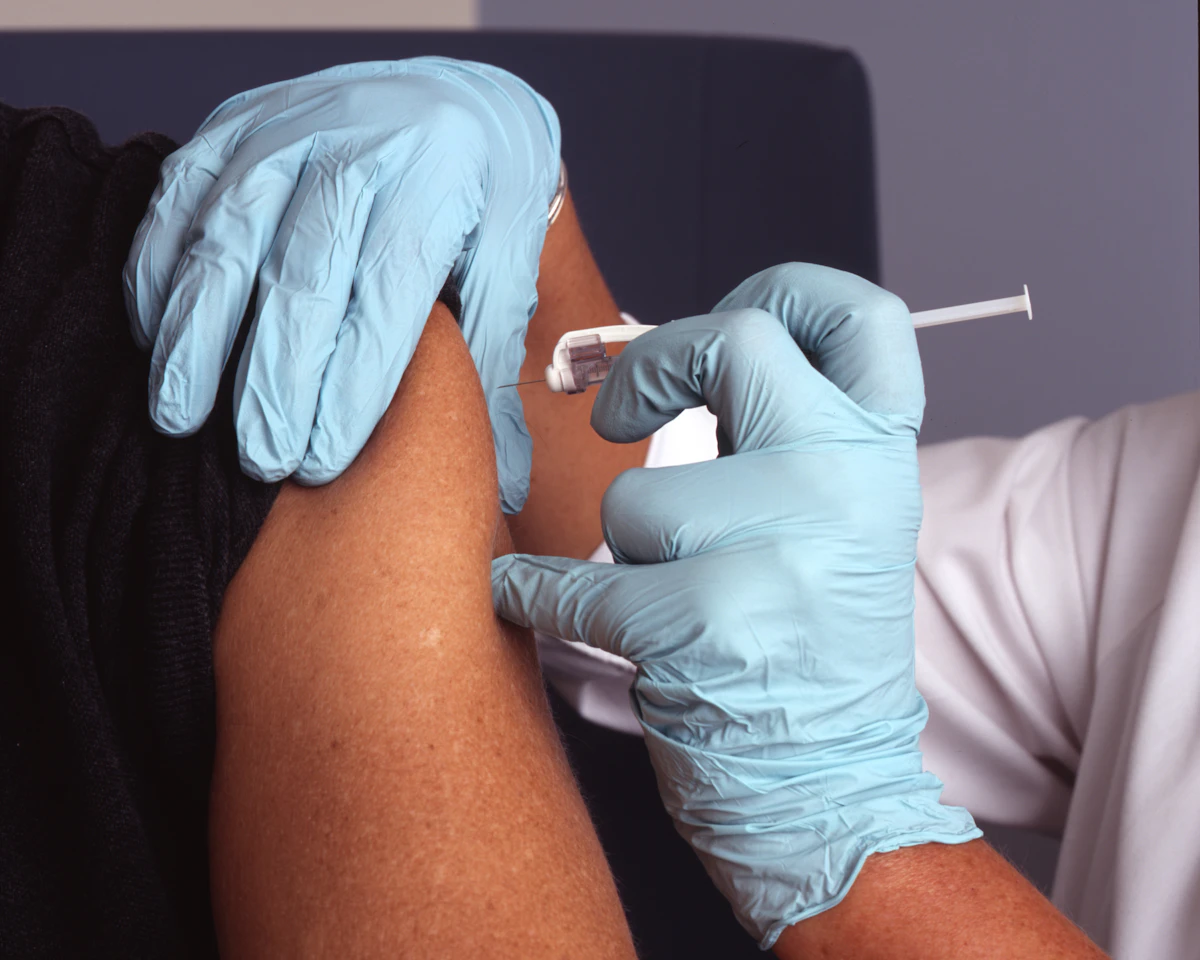
Ebola is a notoriously aggressive and deadly virus. Managing an outbreak requires precise containment strategies, rapid medical intervention, trusted community engagement, and a steady supply of vaccines and protective gear. Recent reports indicate that regional health authorities and international partners are working around the clock to distribute thousands of vaccine doses to protect frontline workers and high-risk populations.
However, shipping medical supplies into remote or affected areas is rarely simple. Logistical hurdles, infrastructure limitations, and community anxieties often complicate medical interventions. This is precisely why global attention matters. When international bodies, governments, and faith-based organizations amplify the call for help, it unlocks funding, speeds up resource allocation, and brings much-needed relief to exhausted medical teams.
Why Global Solidarity Matters Right Now
Health crises do not respect international borders. Allowing an epidemic to rage unchecked anywhere in the world poses risks to global health security. Beyond the strategic reasons for intervention, there is a fundamental human element. Communities dealing with the devastation of Ebola need more than just supplies; they need reassurance that they are not alone in the fight.
The Vatican's intervention highlights the moral imperative to protect human life and dignity. By urging wealthy nations and global humanitarian networks to step up, the appeal pushes policymakers to translate sympathy into concrete action. Whether through financial contributions, specialized medical personnel, or cold-chain storage for vaccines, every resource deployed helps shorten the lifespan of the outbreak.
As health organizations continue their tireless work across the DRC, the success of their mission depends heavily on sustained international partnership. Keeping the spotlight on this crisis ensures that the necessary aid keeps flowing until the threat is entirely neutralized.
Frequently Asked Questions (FAQs)
1. What is the current situation regarding Ebola in the Democratic Republic of Congo?
The DRC has been managing an unprecedented and complex Ebola outbreak. Health authorities, alongside international organizations, are working to distribute vaccines, treat patients, and trace contacts to stop the transmission of the virus.
2. What was the Pope's specific appeal?
Pope Francis urged the international community to provide immediate aid and solidarity to the victims of the Ebola outbreak in the DRC, emphasizing the need to support local populations and healthcare workers who are fighting the disease.
3. Are vaccines being used to fight this outbreak?
Yes. Thousands of doses of Ebola vaccines have been shipped to the DRC to inoculate frontline workers, high-risk individuals, and people living in affected areas to help curb the spread.
4. Why are international aid and partnerships crucial during an Ebola outbreak?
Ebola outbreaks quickly overwhelm local medical systems. International aid provides vital financial resources, specialized equipment, logistical support, and extra medical personnel that local authorities may lack.
5. How can ordinary individuals support the response efforts in the DRC?
People can support the ongoing humanitarian response by donating to reputable medical charities, international health organizations, and humanitarian agencies that are actively operating on the ground in Central Africa.
Comments
Post a Comment