If you have been keeping an eye on local health news lately, you probably already know that measles is making an unwelcome comeback in Pennsylvania. Just recently, health officials confirmed a brand-new case right here at UPMC Children’s Hospital of Pittsburgh. This development officially brings the ongoing measles outbreak directly into Allegheny County. Naturally, whenever a highly contagious virus pops up in a busy pediatric hospital, parents and local residents get a bit nervous. Let's break down what actually happened, where the exposure risks might be, and what you need to do to keep your family safe.
Measles Arrives at UPMC Children’s Hospital
Local health authorities and hospital administrators confirmed that a patient diagnosed with measles recently visited UPMC Children’s Hospital of Pittsburgh. Because measles spreads through the air when an infected person coughs or sneezes, hospitals take these situations extremely seriously. The virus can linger in a room for up to two hours after an infected person leaves, making public spaces like waiting rooms high-risk zones for anyone who isn't protected.
Hospital staff are currently working closely with county and state health departments to identify anyone who might have crossed paths with the patient. If your child was at the facility during the specific exposure window, you should expect direct communication from public health officials if you are deemed at risk. For most people who are up to date on their routine vaccinations, the risk remains relatively low. Still, the hospital is taking every precaution to prevent any secondary spread within the medical center.
A Growing Concern Across Pennsylvania
This Pittsburgh case isn't happening in a vacuum. Over the last few weeks, Pennsylvania has seen a noticeable uptick in measles activity. Neighboring areas, including Indiana County, have watched their confirmed case counts double over just a three-day period. Meanwhile, public health agencies in places like Lancaster County have issued urgent alerts regarding potential exposure sites, including university campuses and popular grocery stores like Whole Foods Market.
What does this mean for the broader region? It means the virus is actively circulating, and public health officials are on high alert. When vaccination rates drop even slightly in a community, highly contagious diseases like measles find an easy pathway to spread. Health departments across the state are ramping up education, urging anyone who has skipped their shots to reconsider, and reminding doctors to look out for trademark symptoms.
Recognizing the Symptoms of Measles
Measles is often mistaken for a common cold or flu in its earliest stages, which is a big part of why it spreads so easily. If you or your child have been exposed, symptoms usually appear anywhere from seven to fourteen days after contact.
Keep an eye out for these classic warning signs:
- High fever that can spike significantly
- A persistent cough, runny nose, and red, watery eyes (medically known as conjunctivitis)
- Tiny white spots, called Koplik's spots, that sometimes appear inside the mouth a couple of days after symptoms start
- A characteristic red, blotchy rash that typically breaks out first on the face and hairline, then slowly spreads downward to the neck, trunk, arms, and legs
If you suspect that you or someone in your household has developed symptoms, do not just walk into a doctor’s office or emergency room. Call ahead. Medical facilities need time to isolate suspected measles patients so they do not inadvertently expose other vulnerable people in the waiting area.
The Power of the MMR Vaccine
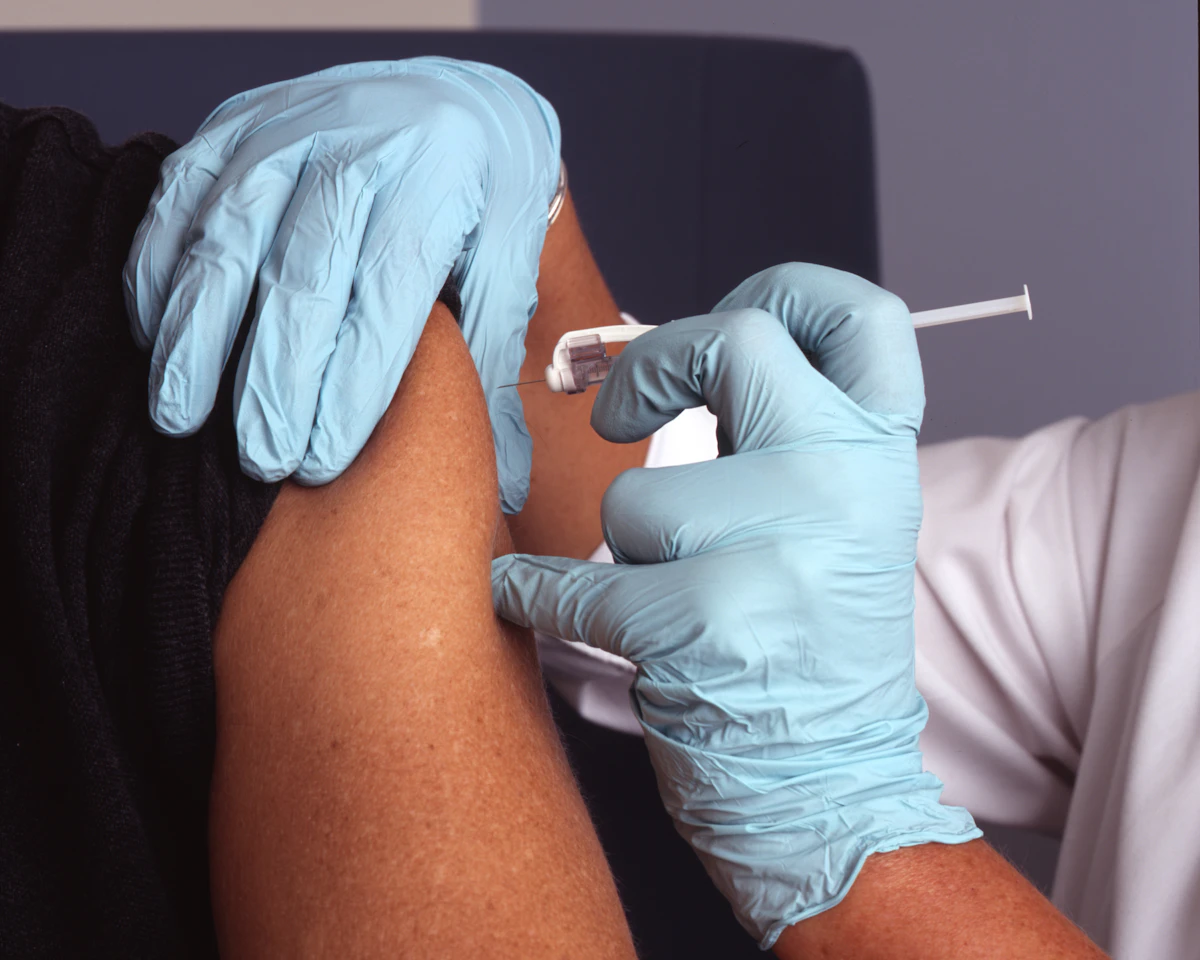
There is one piece of very good news in all of this: we have a remarkably effective tool to stop measles in its tracks. The MMR vaccine, which protects against Measles, Mumps, and Rubella, provides long-lasting immunity. According to the Centers for Disease Control and Prevention, two doses of the MMR vaccine are about 97% effective at preventing measles.
If you aren't sure whether you or your children are fully vaccinated, now is the time to check those immunization records. Pediatricians and family doctors are currently advising parents to ensure their kids are caught up on their shots, especially before heading into crowded public spaces or schools. If an unvaccinated person is exposed to the virus, receiving the vaccine or an injection of antibodies within a specific window can sometimes prevent the illness or make the symptoms much less severe.
Outbreaks like this can feel a bit unsettling, especially when they hit close to home at places like UPMC Children's Hospital. However, staying informed, knowing the symptoms, and checking your family's vaccination status are the best ways to stay ahead of the curve. Keep an eye on local health department updates, take a deep breath, and make sure your household is protected.
Frequently Asked Questions
1. What should I do if I think I was exposed to measles at UPMC Children's Hospital?
If you or your child were at the hospital during the relevant exposure window, watch closely for symptoms like a high fever and a rash for up to 21 days. If you develop symptoms, call your healthcare provider or local health department immediately before visiting any medical facility so they can take isolation precautions.
2. Is measles really that dangerous?
Yes, measles is much more than just a rash and a fever. It can lead to serious complications, particularly in young children, pregnant women, and people with weakened immune systems. Complications can include ear infections, severe diarrhea, pneumonia, and swelling of the brain, which can occasionally be fatal.
3. How is measles transmitted?
Measles spreads very easily through the air when an infected person breathes, coughs, or sneezes. The virus can remain suspended in the air and active on indoor surfaces for up to two hours after an infected individual has left the area.
4. Can adults get measles if they were vaccinated as children?
Most people who received two doses of the MMR vaccine as children are considered protected for life. However, individuals vaccinated between 1963 and 1967 may have received an inactivated vaccine and might need a booster shot. If you are unsure of your immunity status, a simple blood test can check your antibody levels.
5. Where can I get the MMR vaccine in the Pittsburgh area?
The MMR vaccine is widely available at local pharmacies, primary care physician offices, and Allegheny County Health Department clinics. It is generally covered by health insurance with little to no out-of-pocket cost for routine immunizations.
Comments
Post a Comment