Measles Outbreak in Iowa Climbs to 17 Cases as Officials Warn of New Exposure Sites
Health alerts are flashing across the Midwest right now. Public health departments are scrambling to contain a growing viral threat. An ongoing measles outbreak in southern Iowa has officially expanded to 17 confirmed cases, pulling neighboring regions into the spotlight as well. If you have been keeping an eye on local news, this sharp uptick is hard to ignore. Officials are working around the clock to trace contacts, monitor symptoms, and inform the public about newly identified exposure locations.
Measles is notoriously contagious. It does not take much for the virus to spread through a room, lingering in the air long after an infected person has left. That reality has local health agencies on high alert, pushing out urgent advisories and urging residents to check their immunization records before this cluster grows any further.
Understanding the Spread: What is Happening in Iowa?
Public health reports confirm that the southern Iowa cluster now sits at 17 cases. But Iowa is not the only state feeling the impact. Across the border, Illinois has reported five cases tied to the broader regional situation, showing just how easily preventable diseases can cross state lines. Health authorities are piecing together timelines and patient movements to understand how far the virus has traveled.
As contact tracing continues, officials have added fresh exposure locations to public awareness lists. These spots include busy community spaces where unimmunized individuals might have crossed paths with someone carrying the virus. Public health agencies are asking anyone who visited these specific locations during the outlined windows to monitor themselves closely for symptoms.
Why Measles Demands Immediate Attention
Why are health experts so vocal every time a single case of measles pops up? Simple math. Measles is one of the most contagious infectious diseases known to medicine. If one person has it, up to nine out of ten unvaccinated people close to them will also become infected.
The virus spreads through the air when an infected person coughs or sneezes. Even worse, the virus particles can float around in an indoor airspace for up to two hours after the sick person departs. Early symptoms look a lot like a heavy cold—think a hacking cough, runny nose, high fever, and watery, red eyes. A signature red blotchy rash typically appears a few days later, starting on the face and working its way down the body.
For most people, the illness is miserable but manageable. However, it can trigger severe complications, particularly in young children, pregnant individuals, and anyone with a compromised immune system. Pneumonia and brain swelling remain serious risks, which is why modern public health systems react so aggressively to any sign of an outbreak.
The Best Defense: Checking Your MMR Status
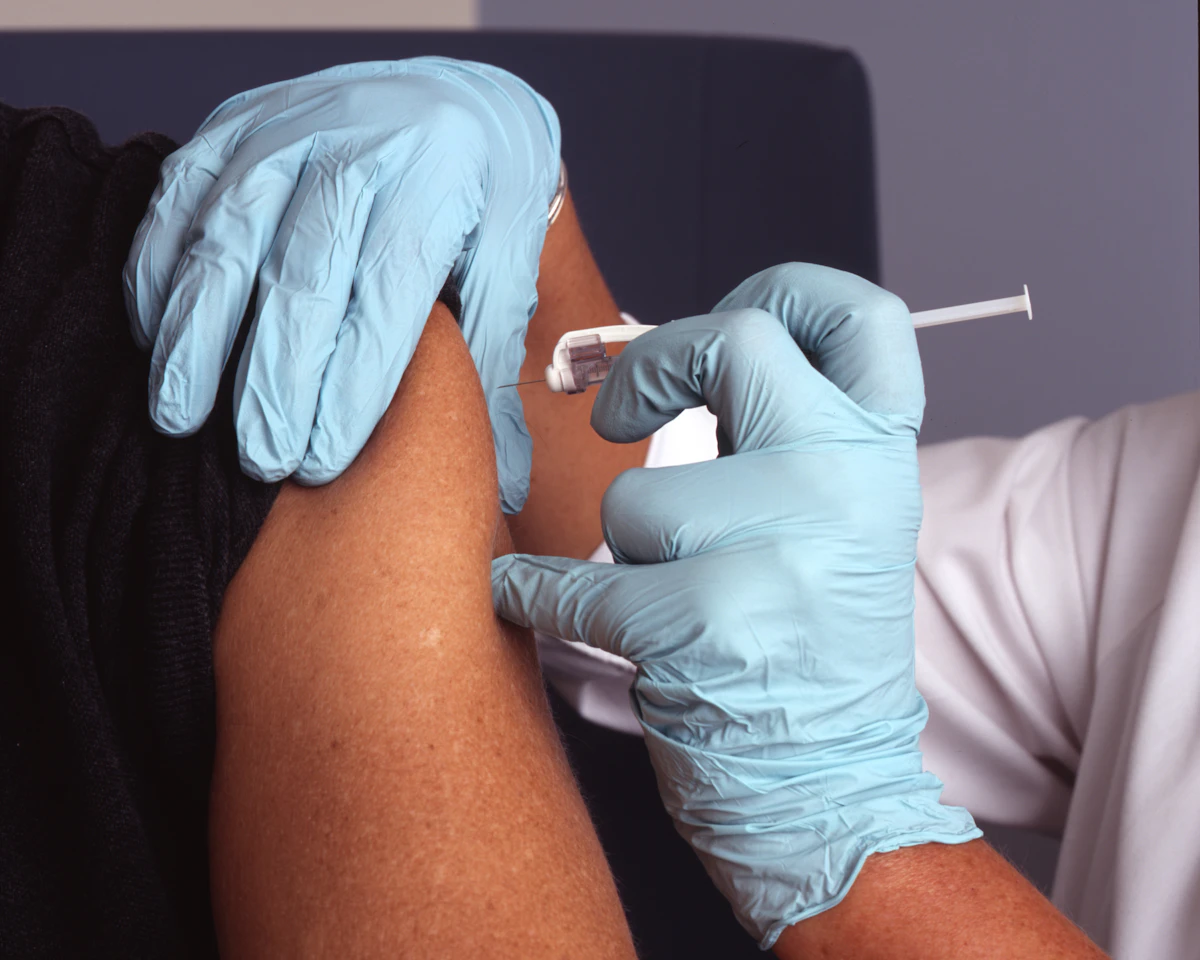
When outbreaks flare up, health departments always circle back to the same proven shield: the MMR vaccine. The measles, mumps, and rubella vaccine provides phenomenal long-term protection. Public health offices in Iowa and surrounding states are strongly advising residents to log into their patient portals, call their family doctors, or check their old shot records.
If you received two doses of the MMR vaccine during childhood, your body is generally well-equipped to fight off the virus. If you are unsure about your vaccination history, health experts say getting a booster dose is safe and effective. Adults who never had the illness or the vaccine should reach out to a local clinic to schedule an immunization.
Communities rely heavily on high vaccination rates to protect vulnerable neighbors who cannot get vaccinated for medical reasons. When coverage drops in a specific pocket, outbreaks find room to breathe. Local clinics are currently streamlining access to vaccines to ensure everyone who needs protection can get it quickly.
If you suspect you have been exposed or start running a fever accompanied by a cough and rash, do not just walk into a crowded waiting room. Call your healthcare provider ahead of time. Giving them a heads-up allows the clinic to take precautions, keeping other patients safe from accidental exposure while you get the care you need.
Frequently Asked Questions (FAQs)
1. How many cases are currently tied to the Iowa measles outbreak?
As of the latest updates from health officials, the southern Iowa cluster has grown to 17 confirmed cases. Neighboring Illinois has also reported 5 related cases.
2. What are the early symptoms of measles?
Early signs usually mimic a severe cold or flu. They include a high fever, cough, runny nose, and red, watery eyes. A distinct rash typically develops a few days after these initial symptoms start.
3. How does the measles virus spread?
Measles spreads primarily through the air via respiratory droplets when an infected person coughs or sneezes. The virus can remain suspended in indoor air for up to two hours after an infected person leaves the area.
4. What should I do if I think I was exposed to measles?
First, check your vaccination status to see if you have received the MMR vaccine. If you develop symptoms or know you visited a public exposure site, call your doctor or clinic before arriving so they can manage your visit safely and prevent further spread.
5. Is the MMR vaccine effective against this strain?
Yes. Public health officials emphasize that the MMR vaccine remains the safest and most effective way to protect yourself and your community against measles.
Comments
Post a Comment