Measles is making an unwelcome comeback in the Midwest. If you thought this highly contagious viral infection was a relic of the past, recent headlines out of Iowa might give you pause. State health authorities have been scrambling to track a growing outbreak that has now climbed to 17 confirmed cases, mostly concentrated in the southern part of the state. Cross-border transmission has even nudged neighboring Illinois into reporting five cases of its own. As health departments scramble to contain the spread, new potential public exposure locations are popping up. This means it is time to brush up on what symptoms to watch for and check your family's immunization records.
Understanding the Current Outbreak and Exposure Risks
The Iowa Department of Health and Human Services (HHS), alongside local public health agencies like Cerro Gordo Public Health, is working around the clock to trace the virus. When a measles case is confirmed, officials immediately retrace the infected individual’s steps to identify public places where others might have breathed the same air. Because measles hangs in the air for up to two hours after an infected person leaves a room, tracking these footprints is a massive undertaking.
Public health notices have highlighted several potential exposure sites. If you visited grocery stores, clinics, or community gathering spots during specific windows of time published by local health departments, you could be at risk. Authorities are urging anyone who thinks they might have crossed paths with an infected individual to monitor their health closely. Symptoms do not show up overnight. It typically takes anywhere from 7 to 14 days from exposure for the first signs to appear, though it can stretch out to 21 days.
Why Measles is Spreading Fast Right Now
Measles is notoriously efficient at spreading. In fact, it is widely considered one of the most contagious infectious diseases known to medical science. If one person has it, up to 90 percent of the people close to them who are not immune will also become infected.
The timing of this regional surge is also raising red flags for medical professionals. With children heading back to school and college campuses filling up with students from all over, communal living and crowded classrooms create the perfect storm for a respiratory virus to jump from person to person. Public health experts point out that dropping vaccination rates in certain pockets are leaving communities vulnerable. When herd immunity dips even slightly, viruses that we largely kept at bay for decades suddenly find an open door.
Recognizing the Symptoms of Measles
Catching measles early can help prevent further spread, but the early signs look an awful lot like a bad cold or the flu. Knowing what to look for can make all the difference.
The illness usually kicks off with a high fever, a nasty cough, a runny nose, and red, watery eyes. A few days after those initial misery-inducing symptoms start, you might notice tiny white spots—known as Koplik spots—appearing inside the mouth. Shortly after that, the trademark rash makes its grand entrance. It usually starts as flat red spots on the face at the hairline, before spreading downward to the neck, trunk, arms, and legs.
If you or your child develop a fever paired with a rash, do not just walk into a waiting room or urgent care clinic unannounced. Call ahead. Clinics need to take special isolation precautions so that other vulnerable patients—like infants too young to be vaccinated or people with compromised immune systems—do not catch the virus in the waiting area.
The Power of the MMR Vaccine
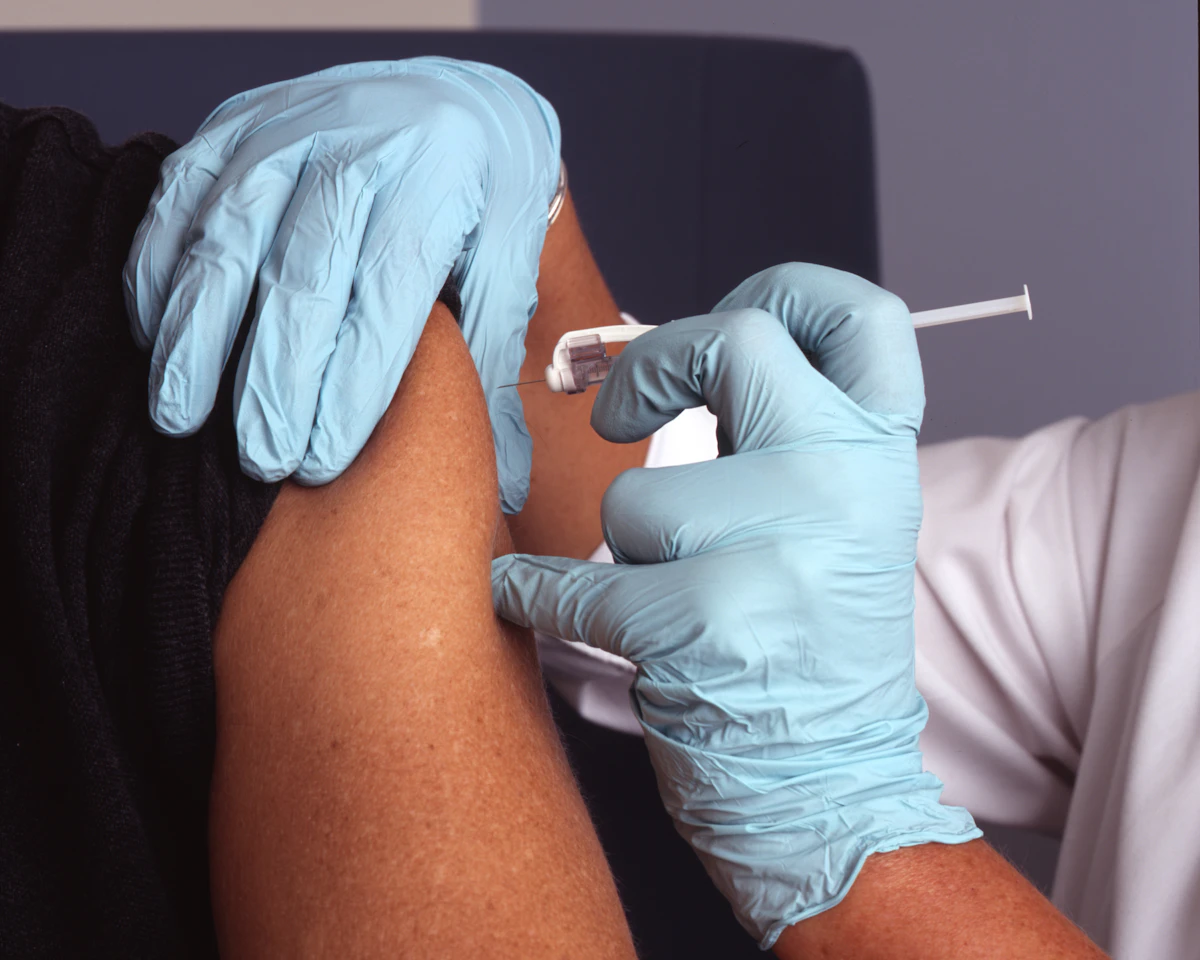
There is a bright spot in this otherwise stressful situation. We have a safe, highly effective tool to stop measles in its tracks: the MMR (measles, mumps, and rubella) vaccine. Getting two doses of the MMR vaccine is roughly 97 percent effective at preventing measles.
Health experts are strongly advising everyone, from toddlers to adults, to check their vaccination records. If you grew up receiving your routine childhood shots, you are likely protected. However, if you have doubts, or if your vaccination records are sitting in a cardboard box at your parents' house across the country, a simple blood test called an antibody titer can check your immunity level. If you are missing a dose or have never been vaccinated, a quick trip to your doctor or local pharmacy for a booster can offer immediate peace of mind.
Staying Safe and Moving Forward
Outbreaks like the one unfolding in Iowa and Illinois remind us that public health is a team sport. Viruses do not care about county lines or state borders, and they rely on gaps in community immunity to travel. By staying informed about exposure locations, watching for early symptoms, and ensuring our vaccinations are up to date, we can protect not just our own households, but the most vulnerable members of our communities who rely on herd immunity to stay safe.
Frequently Asked Questions (FAQs)
1. What are the first signs of a measles infection?
The earliest symptoms usually mimic a severe cold or flu. They include a high fever, cough, runny nose, and inflamed, watery eyes. Tiny white spots inside the mouth may also appear a few days before the characteristic rash develops.
2. How long after exposure do measles symptoms appear?
Symptoms typically begin to show up between 7 and 14 days after a person is exposed to the virus. In some cases, the incubation period can last up to 21 days.
3. How is measles transmitted from person to person?
Measles spreads through the air when an infected person coughs or sneezes. The virus can linger in the air and remain infectious in a room for up to two hours after the infected person has left.
4. Who is most at risk during a measles outbreak?
Unvaccinated individuals face the highest risk. This includes infants who are too young to receive their first MMR dose, pregnant women, and people with compromised immune systems.
5. What should I do if I think I have been exposed to measles?
Stay home and call your healthcare provider immediately before visiting any medical facility. Calling ahead allows the clinic to prepare an isolated space so you do not accidentally expose other patients in the waiting room.
Comments
Post a Comment