The Alarming Data Behind Congo’s Rapidly Expanding Ebola Crisis
When we look at global health headlines, certain words immediately command our attention. Ebola is undeniably one of them. Recent data tracking the ongoing outbreak in the Democratic Republic of the Congo (DRC) reveals a deeply troubling trend. According to reports from the Associated Press and other major international monitoring bodies, this health crisis is currently tracking on a path that could surpass history's largest recorded Ebola epidemic.
For weeks, international health experts have watched infection curves spike. The numbers are no longer just statistics on a page; they represent real communities, strained medical systems, and frontline workers fighting an uphill battle. Let's break down what the numbers actually show, why this outbreak is proving so difficult to tame, and what experts say needs to happen immediately.
Understanding the Numbers: A Trajectory Unlike Past Crises
To grasp the severity of the current situation in the DRC, we have to look back at history. The largest Ebola outbreak on record occurred in West Africa between 2014 and 2016, affecting countries like Guinea, Liberia, and Sierra Leone. That devastating event infected over 28,000 people and claimed more than 11,000 lives.
While the absolute case count in the DRC has not yet reached those historic global totals, the growth rate is what keeps epidemiologists awake at night. Public health data indicates that the transmission velocity—how fast the virus spreads from person to person within a given timeframe—is matching or exceeding the early acceleration phases of past mega-epidemics. As death tolls climb past alarming milestones, United Nations officials and the World Health Organization (WHO) have repeatedly warned that the virus is spreading faster than local containment mechanisms can adapt.
Why Is This Outbreak Spreading So Aggressively?
Viruses do not spread in a vacuum. The rapid transmission of Ebola in eastern Congo is driven by a complex mix of logistical, social, and economic hurdles that make standard containment protocols exceptionally difficult to execute.
First, operational insecurity plays a massive role. Parts of the DRC affected by the outbreak have experienced prolonged armed conflict and community distrust. When local populations distrust incoming medical teams, or when violence disrupts contact-tracing efforts, containment stalls. Health workers have frequently faced physical threats, making it dangerous—sometimes fatal—just to reach infected individuals or administer vaccines.
Second, financial strain on the ground has crippled response efforts. Reports have surfaced highlighting that frontline workers—the very people risking their lives every single day to isolate patients and trace contacts—have gone without promised wages. When personnel are unpaid and underequipped, morale drops, strikes happen, and the virus finds open doors to keep spreading.
The Response from Global Health Agencies
The international community is not standing still, but the scale of the response often feels like trying to catch up to a moving train. The WHO has classified the situation with the utmost gravity, deploying specialized teams, experimental treatments, and hundreds of thousands of doses of the Ebola vaccine.
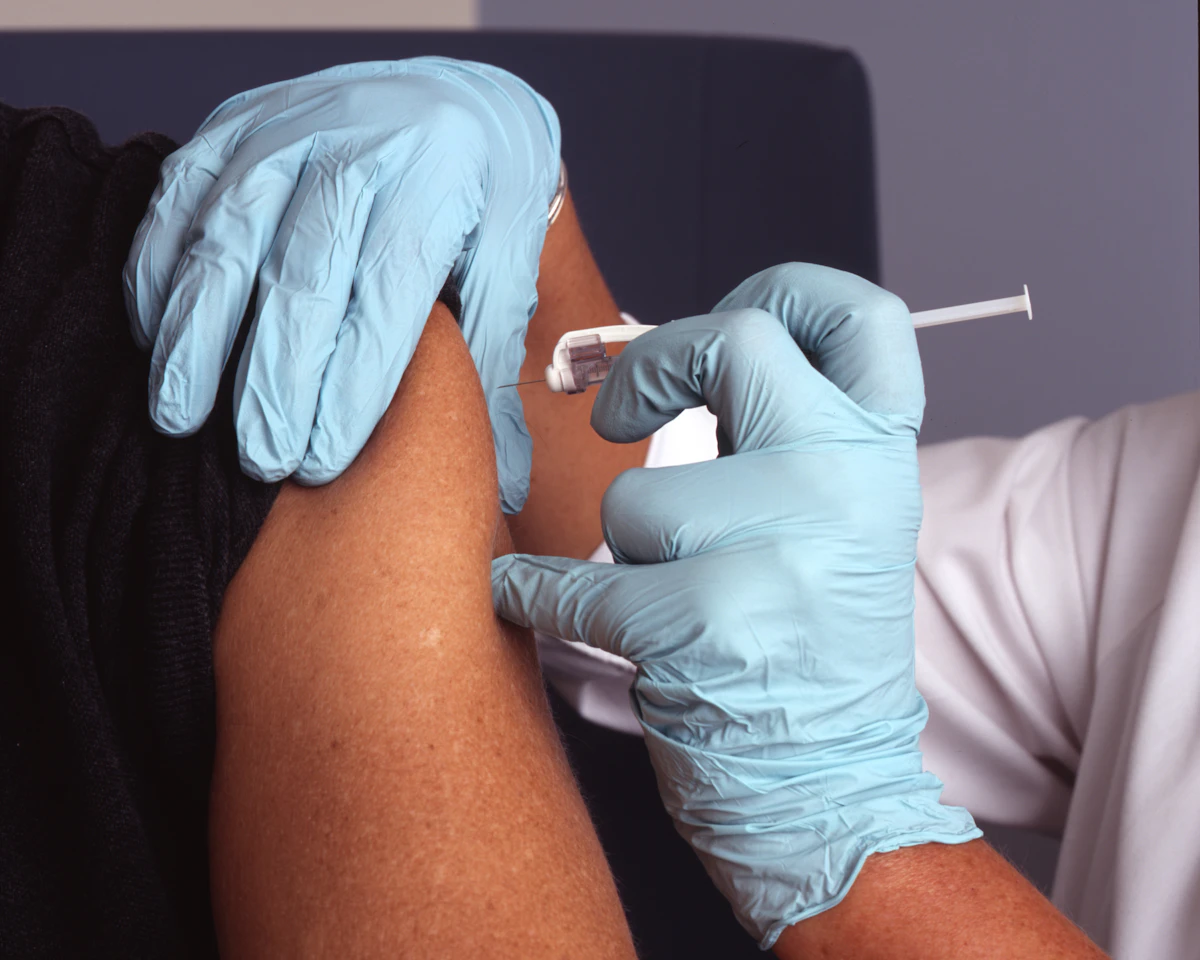
Vaccination has proven to be one of the most effective tools in ring-fencing outbreaks. However, distributing temperature-sensitive vaccines in remote areas with poor infrastructure and active conflict zones requires military-level precision. Every delayed shipment or halted medical patrol gives the virus another window to multiply.
Public health analysts emphasize that throwing money at the problem after a spike occurs is never enough. Sustained, predictable funding and robust community engagement are the only reliable shields against catastrophic public health failures.
What Lies Ahead for Public Health Monitoring
As researchers continue to crunch the daily epidemiological numbers, the global health community faces a critical crossroads. The data serves as both an early warning system and a harsh critique of how the world responds to localized health emergencies before they cross international borders.
Containing a virus like Ebola requires absolute unity—between local communities, national governments, and international donors. If supply lines remain stable, if frontline workers receive the compensation and security they deserve, and if health agencies can rebuild trust within affected villages, the trajectory can be bent downward. The numbers right now might point toward a historical tragedy, but human intervention, science, and solidarity still possess the power to rewrite the ending.
Frequently Asked Questions (FAQs)
1. How does the current DRC Ebola outbreak compare to the 2014-2016 West Africa outbreak?
While the total number of historical cases in West Africa remains higher overall, data indicates that the current outbreak in the DRC has exhibited periods of exponential growth velocity matching or exceeding the early stages of that historic epidemic.
2. Why is the virus spreading so fast in the DRC?
The rapid spread is fueled by a combination of factors, including regional armed conflict, community distrust of medical responders, logistical hurdles in remote areas, and operational delays in contact tracing.
3. Are there vaccines available for this strain of Ebola?
Yes, highly effective vaccines and therapeutic treatments are deployed during outbreaks in the DRC. However, delivering and administering them safely in conflict-affected zones remains a major logistical challenge.
4. What role do frontline workers play in containment?
Frontline workers are the backbone of any response. They identify symptoms, treat the sick, trace contacts to prevent further spread, and educate local communities on safe health practices. Ensuring their safety and consistent pay is vital for stopping the virus.
5. What are international health organizations doing to help?
Agencies like the World Health Organization (WHO) and the United Nations are coordinating emergency funding, sending medical supplies, providing vaccines, and dispatching expert epidemiological teams to assist local health authorities on the ground.
Comments
Post a Comment