Former CDC advisor says decline in kindergarten vaccinations nothing to worry about: 'Keep calm and carry on' - Yahoo
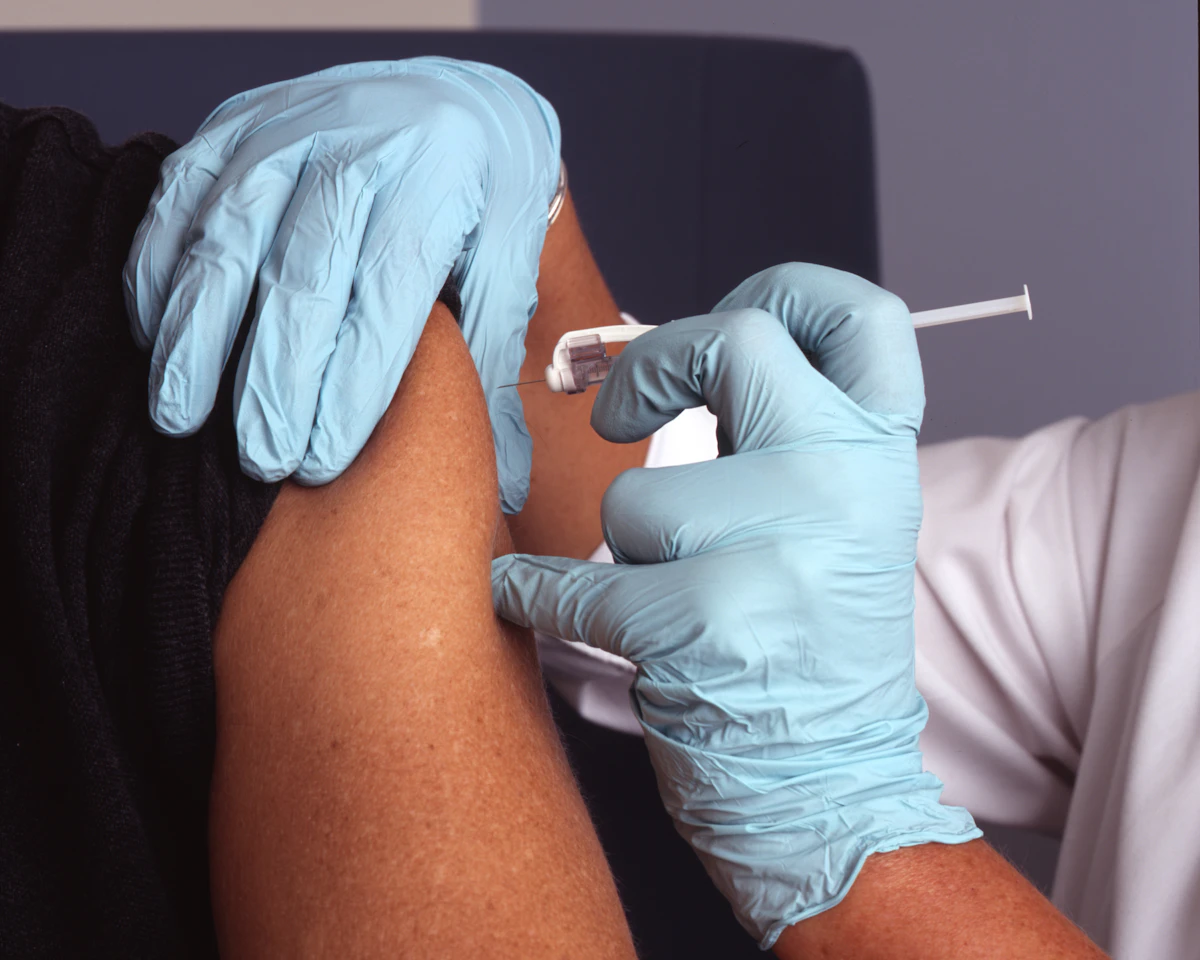
Picture this: you are looking over your young child's school registration paperwork, checking off emergency contacts, health forms, and immunization records. For decades, standard childhood shots were simply part of the background noise of parenting—a quick poke, a mild fever for a day, and you were good to go for another school year.
Lately, though, that routine process looks a lot different for many families. Recent data highlights a noticeable downward trend in kindergarten vaccination coverage nationwide, paired with a rising number of parents filing nonmedical exemptions. Headlines are flashing warnings about slipping herd immunity, and policy shifts are back in the spotlight. Naturally, a lot of parents are left wondering if they should panic.
Not so fast, says one former federal health advisor. According to voices urging a steady hand, we might want to take a collective deep breath rather than spiraling into alarm. But what is actually driving these numbers, and should you worry about your local elementary school? Let us break down the data behind the headlines.
What the Numbers Show About Kindergarten Immunizations
Recent reports tracking state-level health department data paint a clear picture. Routine vaccination rates for kindergarteners have dipped over consecutive school years. Shots guarding against measles, mumps, rubella (MMR), polio, and chickenpox are seeing fewer completions overall.
At the same time, exemption rates—particularly nonmedical or philosophical opt-outs—are creeping upward in multiple states. While the vast majority of children still enter kindergarten fully vaccinated, the safety buffer known as community or herd immunity is shrinking in specific pockets and communities. When immunization rates drop below certain thresholds, preventable diseases find it much easier to stage a comeback.
Public health researchers point out that this trend did not appear overnight. Disruptions from pandemic-era clinic closures, coupled with a general slide in institutional trust, created a fertile ground for vaccine hesitancy. Add in shifting political discourse around state mandates and federal public health guidance, and you have a recipe for parental hesitation.
The Case for Calm: Why One Expert Says Not to Panic
Despite the concerning downward slopes on tracking charts, some public health veterans urge a measured approach. Dr. Paul Offit and other prominent voices have frequently noted that while the trend is real, sweeping panic rarely solves public health challenges.
The argument for keeping calm rests on a few key ideas. First, aggregate national numbers can obscure local realities. A statewide drop might look alarming on a map, but your specific neighborhood school might still boast a 98% vaccination rate. Furthermore, many parents opting out of one specific shot or delaying a dose are not necessarily hardcore anti-vaccine activists; they are often just confused, exhausted by conflicting information, or exercising caution based on social media chatter.
Instead of shaming parents or immediately reaching for heavy-handed legislative penalties, proponents of this view argue for better conversations. Building trust through patient pediatricians who actually listen to parental fears tends to work much better than yelling statistics from an ivory tower.
The Changing Political and Cultural Landscape
You cannot talk about childhood immunizations today without mentioning the shifting political headwinds. Discussions around state-mandated school entry requirements are moving front and center, fueled by executive actions and legislative proposals aimed at giving families more freedom to opt out.
When high-profile political figures begin questioning long-standing health guidelines, it trickles down to dinner table conversations. Parents who previously never thought twice about a routine MMR shot suddenly find themselves questioning its necessity. This cultural shift plays a massive role in why exemption forms are suddenly filling up filing cabinets across the country.
At the same time, medical institutions are grappling with how to communicate effectively in an era where skepticism spreads faster than scientific consensus. Rebuilding that bridge requires patience, transparency, and a willingness to answer tough questions without condescension.
What This Means for Your Family
If you are a parent trying to navigate this noisy landscape, it is easy to feel overwhelmed. One day you hear that vaccines are completely essential; the next day you read that compliance rates are optional or dropping everywhere.
The best approach is to block out the national noise and focus on what matters for your own household and community. Talk openly with your pediatrician—not a random forum online. Ask about your specific school district's immunization rates if you are concerned. Staying informed helps you make grounded, thoughtful health choices for the children who depend on you.
Ultimately, trends will rise and fall, but your child's well-being stays right at the center of your universe. Keep asking questions, lean on trusted medical professionals, and remember that clear, calm decision-making beats panic every single time.
Frequently Asked Questions (FAQs)
Are kindergarten vaccination rates dropping everywhere in the US?
While the overall national trend shows a decline in coverage and a rise in exemptions, the drop varies wildly by state and local school district. Some regions maintain very high compliance, while others see significant dips.
What is a nonmedical vaccine exemption?
A nonmedical exemption allows a child to attend school without receiving required immunizations based on a family's personal, philosophical, or religious beliefs, depending on what individual state laws permit.
Which vaccines are seeing the largest drops?
Routine school-entry vaccines such as the MMR (measles, mumps, rubella) shot, DTaP (diphtheria, tetanus, pertussis), and chickenpox vaccine have experienced the most notable downward shifts in recent tracking data.
Can my child still attend school if vaccination rates are low?
Usually yes, provided your child meets your state's specific requirements or has a valid medical or nonmedical exemption on file with the school district.
How can I find out the vaccination rate at my child's school?
Many state health departments publish vaccination and exemption rates by school district online. You can also reach out directly to your local school district administration or your pediatrician for local data.
Comments
Post a Comment