When we talk about global health emergencies, few names strike as much immediate fear as Ebola. Right now, health agencies are sounding the alarm over a worsening situation in Central Africa. The numbers are climbing, and the path of the virus is changing.
United Nations officials recently shared a grim milestone. The death toll from the ongoing Ebola epidemic in the Democratic Republic of the Congo (DRC) has officially crossed the 2,500 mark. What makes this particular wave so terrifying is the speed at which it is moving. According to international monitors, the virus is no longer just spreading—it is accelerating faster and reaching wider areas than before.
Understanding the Accelerating Spread
For months, medical teams on the ground have fought an uphill battle against the hemorrhagic fever. Managing an outbreak of this scale is never easy. When the UN describes an epidemic as growing "exponentially," it means the infection rate is multiplying rapidly, outpacing the resources available to track and treat every single case.
Why is this happening now? Public health experts point to a mix of logistical nightmares, community mistrust, and the inherent difficulties of operating in conflict-affected regions. When local populations distrust incoming medical personnel, tracking down contacts of infected individuals becomes nearly impossible. Every hidden case creates a new chain of transmission, feeding the fire.
Medical workers are putting their lives on the line every day. They travel into remote villages, set up treatment centers, and try to educate communities on safe burial practices. Yet, the sheer geography of the affected provinces in eastern Congo presents a massive hurdle. Thick forests, poor infrastructure, and porous borders mean that the virus can easily slip past containment lines.
The Human Cost Behind the Numbers
Statistics rarely tell the whole story. Behind that tragic figure of 2,500 deaths are parents, children, community leaders, and brave healthcare workers who walked into isolation wards to save others and never came home.
Families are forced to make heartbreaking choices. Traditional burial rites, which are deeply important in Congolese culture, have had to change drastically to stop the virus from spreading through bodily fluids. These necessary changes often breed grief, anger, and suspicion, making community engagement just as vital as vaccines and therapeutics.
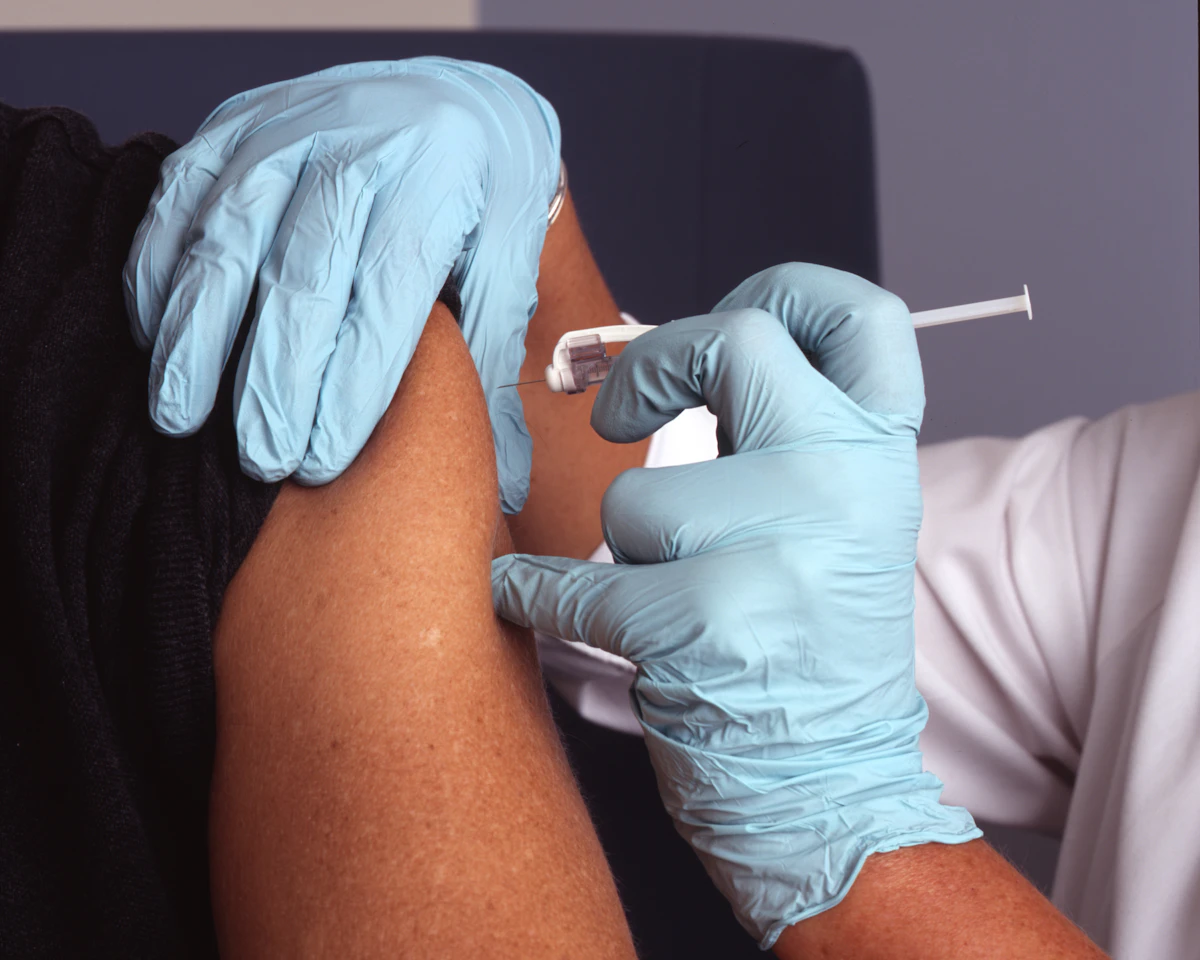
Fortunately, medical science has not stood still. Experimental vaccines and treatments have saved thousands of lives during this specific outbreak—a massive leap forward compared to past decades. However, having life-saving tools is only half the battle. Delivering those treatments safely to the right place at the exact right moment remains a logistical puzzle.
What Needs to Happen Next?
Stopping a fast-moving epidemic takes more than just doctors and medicine. It requires coordinated international funding, political stability, and local leadership. When communities take ownership of their health responses—when local leaders step up to explain the science and debunk dangerous myths—the trajectory of the disease begins to bend.
Global health organizations continue to plead for sustained financial backing. Outbreaks like this one do not respect borders. Left unchecked, a localized health emergency can quickly transform into a regional disaster. The international community has a responsibility to stand shoulder-to-shoulder with local responders until the very last case is zeroed out.
As this crisis unfolds, the world is watching closely. The crossing of the 2,500-death threshold is a stark reminder that nature can still humble us. Defeating this virus will take patience, empathy, unyielding courage, and a massive dose of global solidarity.
Frequently Asked Questions (FAQs)
1. How many people have died in the current DRC Ebola outbreak?
The death toll has officially surpassed 2,500 people, making it one of the most severe Ebola epidemics in the history of the Democratic Republic of the Congo.
2. What does "growing exponentially" mean in the context of this outbreak?
An exponential growth rate means the virus is spreading faster and wider, with the number of new infections increasing at a compounding pace that outstrips previous containment efforts.
3. Are there effective vaccines available for this strain of Ebola?
Yes, advanced experimental vaccines and therapeutic treatments have been deployed during this outbreak, successfully saving thousands of lives who otherwise might not have survived.
4. Why is it so difficult to stop the spread in the DRC?
Health workers face numerous hurdles, including regional conflict, challenging geography, logistical delays, and occasional community mistrust regarding medical interventions and safe burial protocols.
5. Is this Ebola outbreak a threat to other countries?
While the vast majority of cases remain localized within the eastern provinces of the DRC, international health agencies maintain high surveillance at regional borders to prevent international transmission.
Comments
Post a Comment