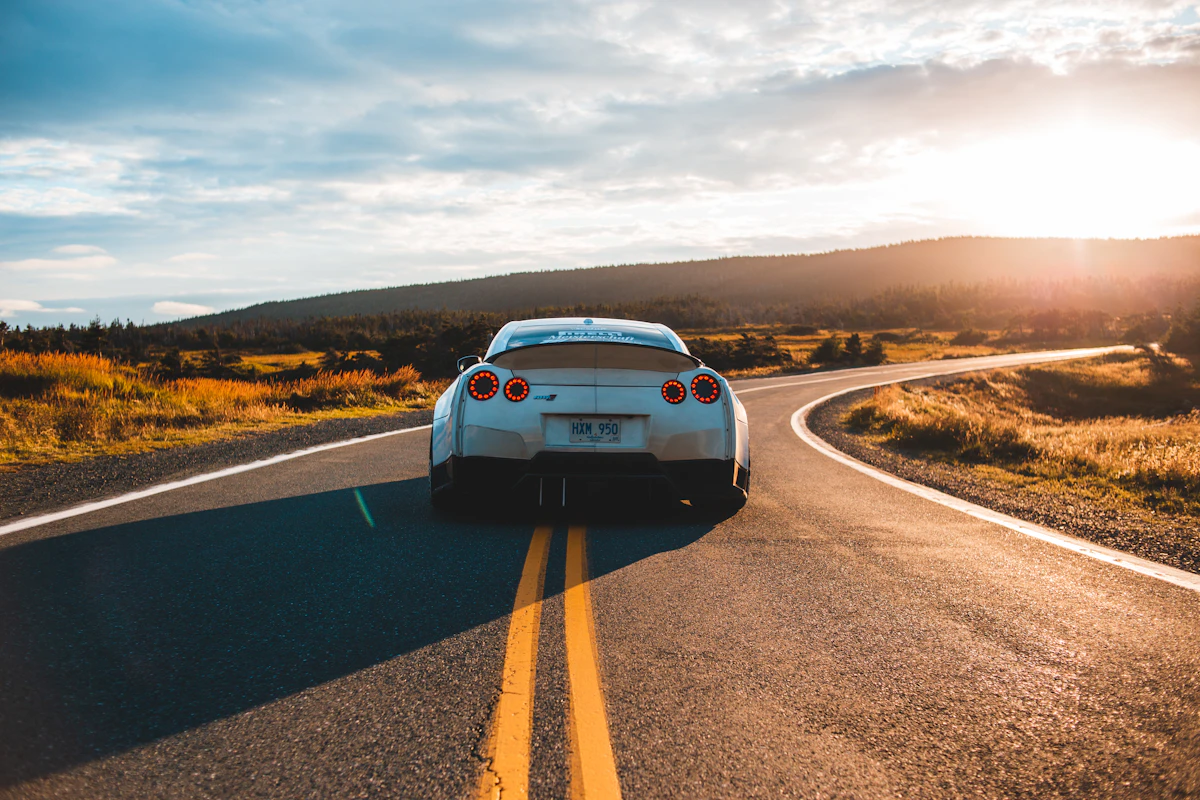
Imagine standing inside a quiet, hallowed museum hall, staring at a priceless centuries-old painting or a delicate sculpture. Now, imagine the earth-shaking, window-rattling roar of a 600-horsepower IndyCar screaming past just outside the front doors. It sounds like a scene out of an action movie, right? But for the nation's capital, this is quickly becoming reality.
Washington, D.C. is gearing up for a massive high-speed street race—the Freedom 250 Grand Prix. While racing fans are losing their minds with excitement, curators, conservators, and art lovers are breaking out in a cold sweat. Zooming past iconic cultural institutions sounds thrilling on paper, but the heavy vibrations and sheer acoustic force of these machines have sparked serious worry about the safety of fragile art resting just feet away from the asphalt.
The Clash Between High-Speed Racing and Priceless Artifacts
Street circuits are always logistically wild. They turn ordinary city blocks into temporary racetracks, requiring concrete barriers, heavy fencing, and massive amounts of crowd control. But doing this on the National Mall or immediately adjacent to world-famous cultural spaces is a completely different beast.
IndyCars do not just move fast; they generate immense mechanical vibrations. When engines rev at maximum capacity and race cars slam down on the pavement at over 150 miles per hour, the ground beneath them ripples. Museums are engineered to protect art from normal city traffic, subway rumblings, and everyday foot traffic. However, professional open-wheel race cars are in an entirely different weight and noise class.
Conservation experts point out that fragile historic objects, ancient canvases with drying or cracking paint layers, and delicate marble pieces are exceptionally sensitive to low-frequency vibrations. Even if a building's structure remains completely safe, cumulative micro-vibrations can potentially loosen pigments, strain old structural adhesives, or cause unseen internal stress to irreplaceable cultural treasures.
Logistical Nightmares and Downtown Street Closures
Beyond the art preservation debate, hosting a massive motorsports event in the heart of a bustling federal city creates a logistical maze. If you live, work, or plan on commuting through downtown D.C., get ready for major headaches.
The Freedom 250 Grand Prix brings rolling street closures, parking bans, and heavily restricted pedestrian zones. Local authorities have partnered with Metro to handle the massive influx of sports fans, urging everyone to lean heavily on public transit rather than attempting to drive near the course layout. Commuters are facing altered bus routes, blocked access points to federal buildings, and heavy security perimeters.
It is a strange juxtaposition. On one side, you have the political and economic push to bring a high-profile, high-energy spectator sport to the city center. On the other side, you have local workers, residents, and museum directors trying to figure out how regular daily life—and the quiet contemplation of history—is supposed to coexist with burning rubber and screaming V6 engines.
How Museums Are Responding
Curators aren't just sitting back crossing their fingers, either. Behind the scenes, museum engineering and facilities teams are scrambling to monitor baseline vibration levels. Many institutions are setting up seismic and acoustic monitoring equipment to track exactly how much energy reaches their galleries when the race cars hit the track.
If sensor data shows that vibration thresholds are creeping into dangerous territory for sensitive artifacts, museums may be forced to temporarily relocate certain ultra-fragile pieces deeper inside buildings or into specially cushioned storage vaults for the weekend. It is a precautionary measure that highlights just how seriously the cultural sector is taking the threat.
At the end of the day, D.C.’s bold gamble on IndyCar racing is bound to be a spectacle one way or another. Whether it goes down in history as an unforgettable weekend of high-octane entertainment or a cautionary tale about mixing high-horsepower motorsports with fragile cultural heritage is still up in the air. One thing is certain, though: all eyes—and a whole lot of vibration sensors—will be locked tightly on the track.
Frequently Asked Questions (FAQs)
What is the Freedom 250 Grand Prix in Washington, D.C.?
The Freedom 250 Grand Prix is a high-profile IndyCar street race event bringing professional open-wheel motorsports directly into the downtown streets of Washington, D.C.
Why are museum officials worried about the IndyCar race?
Conservators and museum directors are concerned that the intense noise, acoustic pressure, and low-frequency ground vibrations generated by high-speed race cars could damage fragile paintings, artifacts, and historical structures located near the race track.
Are museums closing during the Grand Prix weekend?
Most museums plan to remain open, but many are deploying vibration-monitoring equipment and evaluating whether to temporarily move extremely delicate objects to safer areas inside their facilities.
How will the race affect traffic and public transit in D.C.?
The event causes extensive street closures, parking restrictions, and altered commuter paths throughout downtown D.C. Local officials and transit networks like Metro are encouraging visitors and residents to rely on public transportation and expect heavy crowds.
Can everyday visitors still watch the race downtown?
Yes, though viewing areas, ticketed grandstands, and pedestrian pathways will be tightly regulated by security and event organizers to manage the massive crowds expected for the weekend.
Comments
Post a Comment